Workplace
Data Security Comes First
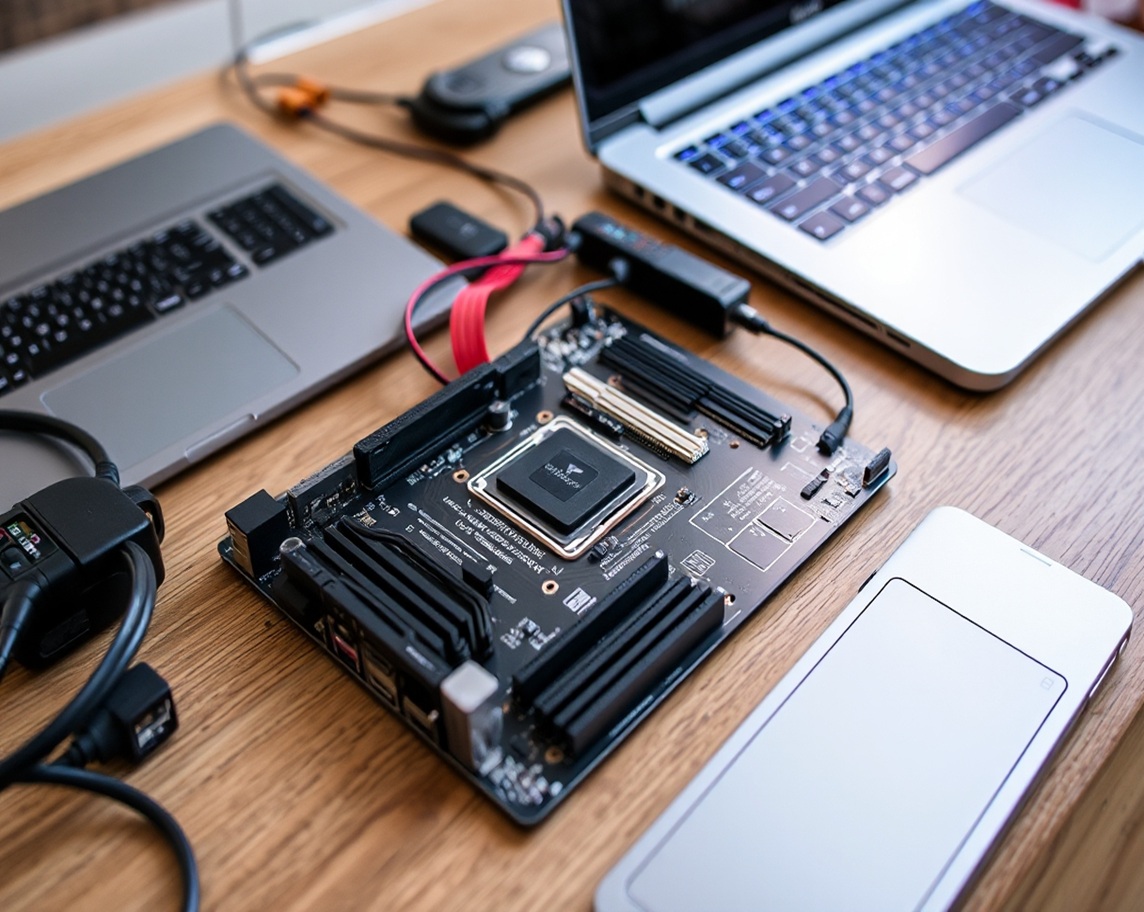
When your business retires old computers, servers, or hard drives, the equipment isn’t the risk. The data left on it is. Before any device is sorted, refurbished, or recycled, it goes through a secure data destruction process designed to remove that risk completely and verifiably.
Why Data Destruction Matters
Old hard drives, decommissioned servers, and devices from departing employees often still hold customer records, financial data, or internal documents long after they’re considered junk. Simply deleting files or formatting a drive doesn’t remove the data, it just hides it. A device that ends up resold, scrapped, or landfilled without proper erasure can expose your business to data breach risk and regulatory compliance issues.
Why choose us
Our Data Destruction Process
List of faq’s
You Might Find Your Answer
No. Deleting files or reformatting a drive removes the file pointers, not the underlying data, which can often still be recovered with basic recovery software. Proper data destruction overwrites the data itself so it can’t be reconstructed.
Yes, we can confirm your devices have gone through our secure erasure process. Contact our team to discuss what documentation your business or school needs for compliance or audit purposes.
If a drive can’t complete a software-based wipe due to physical damage or age, it’s physically destroyed instead, removing the risk entirely rather than leaving a device that couldn’t be verified as clean.
Devices with recoverable data create real exposure. If a drive is resold, donated, or improperly disposed of, anything still on it, customer records, financial details, internal files, can be recovered by whoever ends up with it next.
Yes. Our erasure process covers hard disk drives, SSDs, USB drives, and memory cards, anywhere data can physically reside.
Under the Privacy Act and the Australian Privacy Principles, businesses must take reasonable steps to destroy personal information they no longer need. Using a verifiable destruction process like ours is one of the clearest ways to meet that requirement rather than relying on informal deletion.